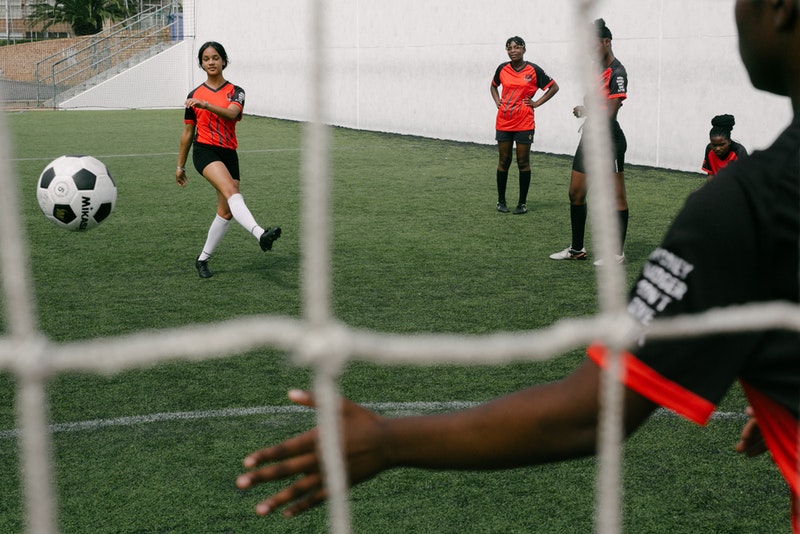
Goalkeeping is an unusual job. A keeper can stand for twenty minutes with almost nothing to do, then have one second to make a decision that decides the game. Mistakes are visible to everyone, and a single error is remembered longer than ten good saves. That combination is why confidence matters so much at this position, and why good keepers often carry themselves with a little swagger. The goal is not arrogance; it is a steady belief that lets the keeper act decisively when the moment comes.
Why Confidence Shows Up in Performance
Decisions get made faster. Coming for a cross, rushing out in a one against one or staying on the line are split-second choices. A hesitant keeper arrives late, and a late keeper gives away goals and fouls.
Teammates feed off it. Defenders play higher and calmer when they trust the player behind them. A keeper who looks nervous makes the whole back line nervous.
Opponents notice. Strikers read body language too. A keeper who looks big, organized and composed can make a shooter hurry or second guess the finish.
Recovery from mistakes is quicker. Every keeper concedes soft goals. Confident keepers treat a mistake as information, then focus on the next ball.
Confidence Versus Cockiness
A bit of cockiness in a keeper can be healthy when it means demanding the ball, calling loudly and refusing to be intimidated. It becomes a problem when it turns into showboating, blaming teammates or skipping the hard work in training. The difference is simple: real confidence comes from preparation, while empty bravado tends to collapse after the first mistake. For what that preparation looks like across a week, see our goalkeeper training plan.
Building Confidence in Training
- Repetition of the basics. Thousands of clean catches, good footwork and correct diving technique are the foundation. When the body knows what to do, the mind can relax.
- Success early in sessions. Start with achievable work so the keeper warms up with saves rather than goals conceded.
- Game-like pressure. Include drills with crowded boxes, crosses and quick rebounds, such as Keeper Toss and Save, so match situations feel familiar.
- Clear feedback. Coaches should be specific: "great set position before that shot" helps more than a general "nice."
Building Confidence on Game Day
Use a warm-up routine. The same sequence of handling, diving and kicking before every match helps the keeper feel ready and in control.
Get an early touch. Ask defenders to pass back to the keeper in the opening minutes. A simple first action settles the nerves.
Talk constantly. Organizing the defense keeps the keeper engaged during quiet spells and reinforces their role as the leader at the back.
Mind the body language. Standing tall, clapping after a save and setting up the wall with authority all project confidence, and acting confident often helps a keeper feel it.
Handling Mistakes
Every keeper needs a reset routine for when the ball ends up in the net. Some take a breath, touch the crossbar or retie a glove; others repeat a short phrase like "next ball." The routine signals that the mistake is over. After the game, the error can be reviewed calmly with the coach: what happened, what the keeper saw and what to try next time. Dwelling on it during the match only invites a second mistake. Our article on performing well under pressure has more techniques for staying composed.
Self-Talk That Helps
What keepers say to themselves matters. Replace "don't mess this up" with action words: "attack the ball," "big and set," "first touch secure." Short, positive cues keep attention on the task instead of the fear. Our page on the language of confidence explains how self-talk shapes performance.
Signs Confidence Is Slipping
Keepers rarely say they are struggling, but the signs show up on the field. Watch for a keeper who stays rooted to the line on crosses they used to claim, parries shots they would normally catch, goes quiet behind the defense, or avoids the ball when defenders try to pass back. In training, they may hang back from drills or get unusually upset over small errors. When you see these signs, scale sessions back to simple, successful repetitions for a week or two, and talk with the keeper away from the team about what is on their mind.
How Coaches and Parents Can Help
Keepers are often blamed for goals that start with mistakes elsewhere on the field. Coaches and parents can help by talking about the whole sequence, praising courage and good decisions, and never singling out the keeper in front of the team. Rotating young players through the position also spreads the pressure and helps everyone understand how hard the job is.
Confidence is a skill, not a personality trait. Keepers who prepare well, keep a steady routine and learn from mistakes grow into the commanding presence their teams rely on. For more on mental skills in soccer, start with our guide to the mental game, and if pre-game nerves are an issue, read how to overcome nervousness on the field.